
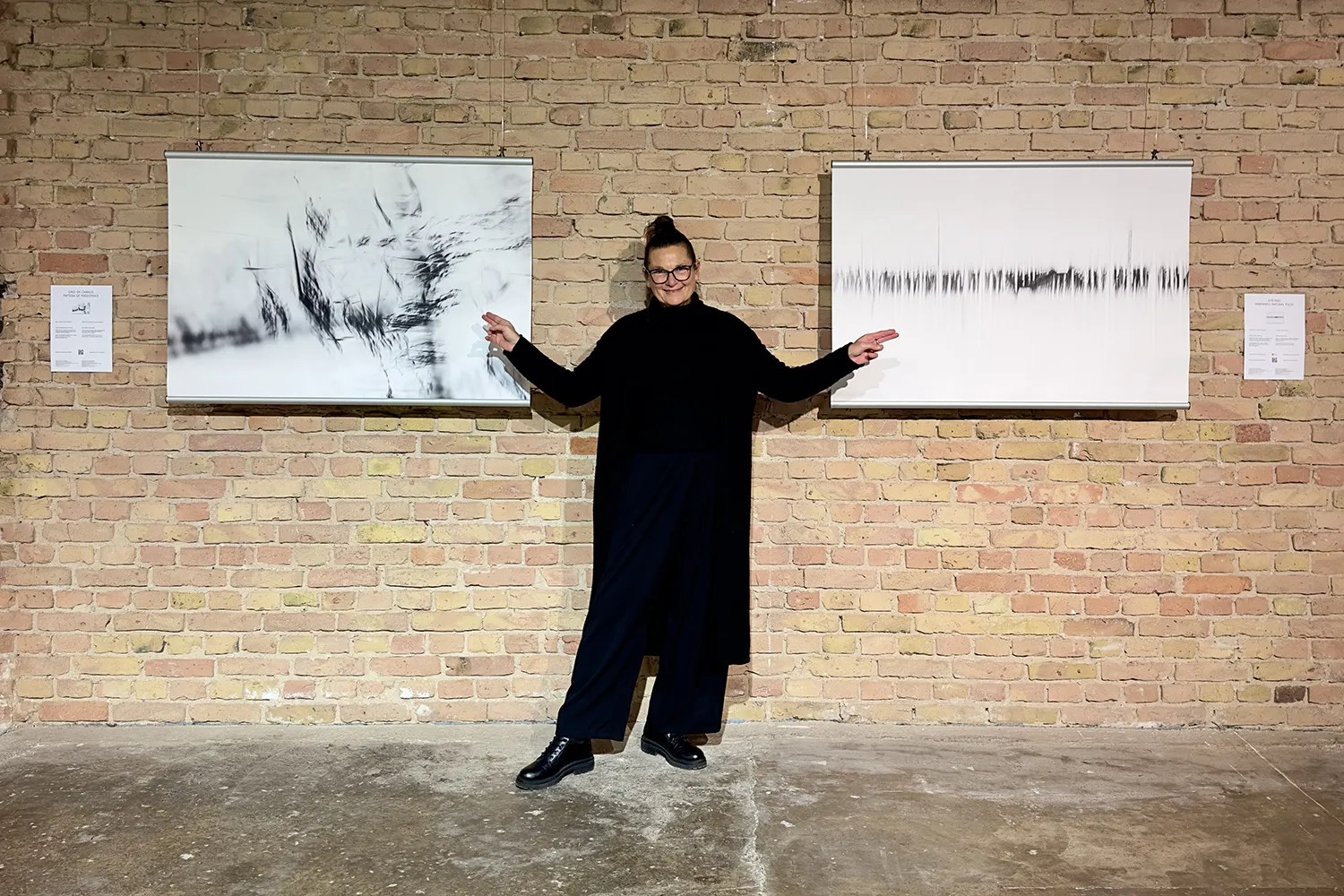
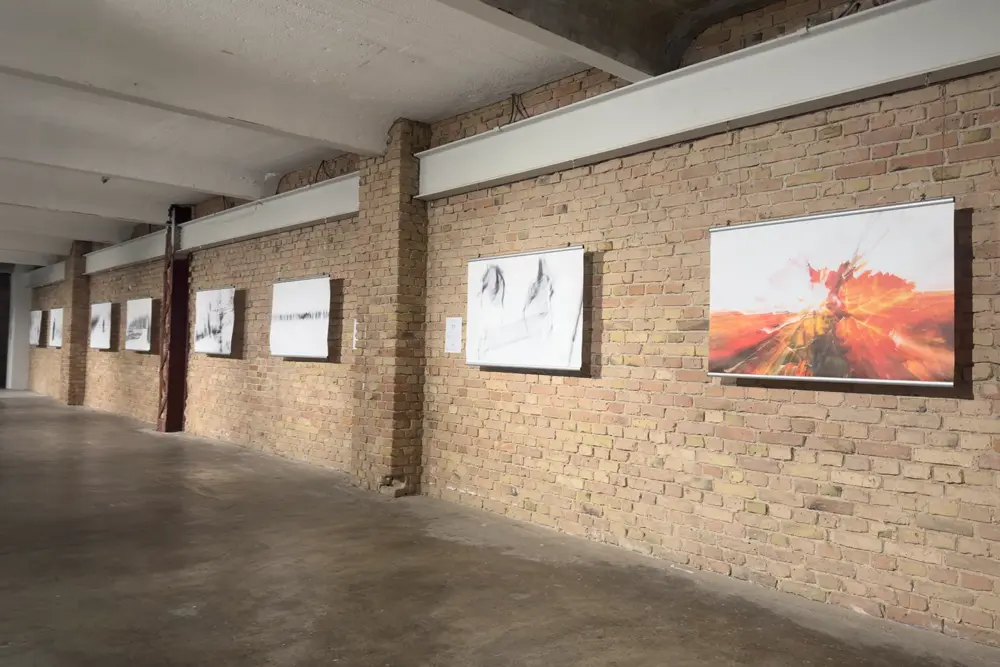
In November, part of my series “Vision of Vine – Winds of Change” was on display at the Kühlhaus in Berlin. Not in a gallery, but right in the heart of the PIWI Summit International, a specialist conference on fungus-resistant grape varieties. I have been involved in the world of wine for years: as a trained wine taster, as a judge at international wine competitions and as co-founder of an online magazine on Spanish wine and wine tourism.
The fact that this particular series – which I, as a photographer, had developed to document the changes in the vineyard – was now displayed between tasting stations and future workshops had a logic to it that I hadn’t planned.
What PIWIs actually are
PIWI stands for ‘fungus-resistant’ and refers to grape varieties that require significantly less, or no, chemical pesticides. It’s no sensation, but an honest response to climate change: pragmatic, forward-thinking, and without any fuss. It was precisely this approach that made the Kühlhaus such a remarkable place this weekend.
The photographs in the series were taken in various wine-growing regions. The fact that a selection of them was now on display here created a connection that I hadn’t specifically set out to achieve, but which was immediately apparent. The series follows an arc in three parts: from uncertainty and the palpable pressure of change, through movement and the search for new paths, to something I would describe as vitality. Not as a solution, but as an attitude.
This arc and the characteristics of PIWIs in viticulture were closely related.
Art and viticulture are essentially saying the same thing, just using different means.
Black and white with a splash of colour
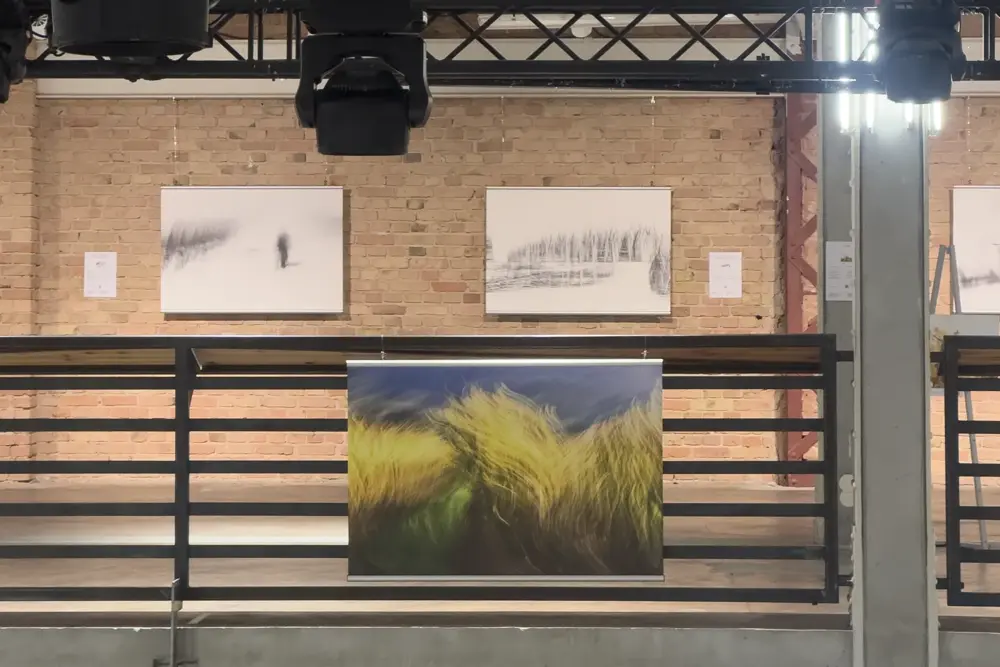
In Berlin, the exhibition featured mainly black-and-white works, complemented by three colour pieces, deliberately included as a counterpoint. The colour broke up the minimalist aesthetic in exactly three places, creating a different kind of space in which the black-and-white images appeared all the more serene.
What fascinated me was that the interpretations of the paintings were as varied as the wines being tasted next door. Where one person saw a sense of rootedness and strength, the next recognised precisely the moment of letting go. It’s hard to say whether that was down to the paintings or the people who were in the room that weekend. Probably both.
It was this background that led to the series being created in the first place. And it helped me, whilst in the cold store, to have conversations that went beyond ‘pretty pictures’.
You can find out what earned the series the Best Photography Award here.
A big thank you goes to PIWI International for the invitation and the opportunity to showcase my work in this context. As a founding member of PIWI Germany and a member of PIWI International, this exhibition was not a chance encounter, but part of a connection that has existed for several years.
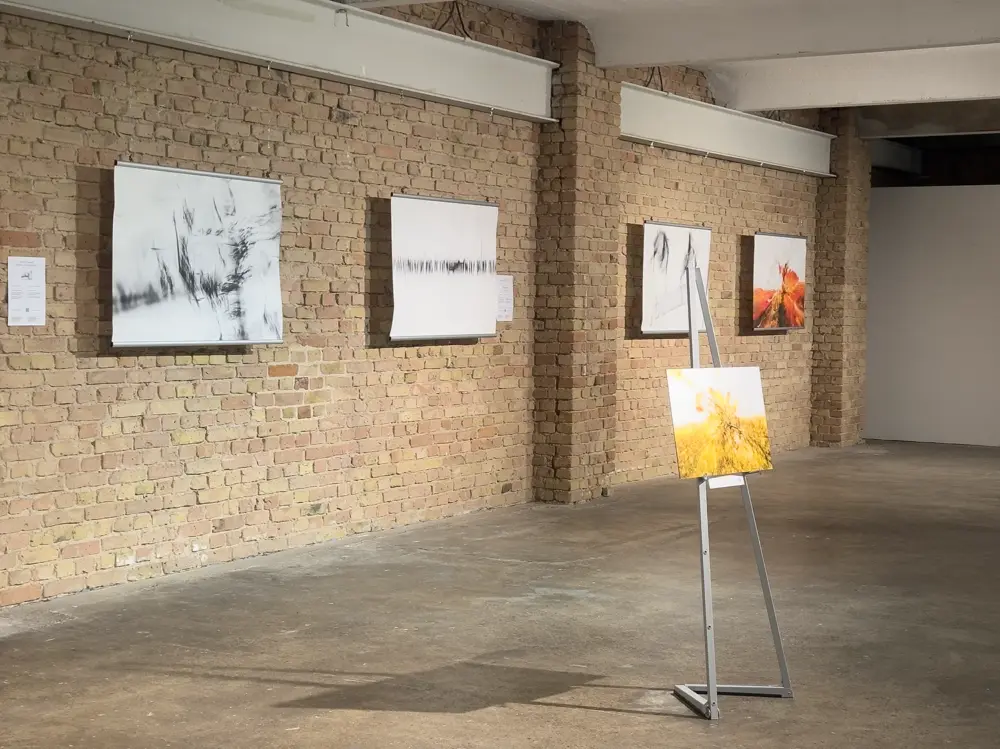
Is the Berlin cold store the right place for abstract photography and sustainable wine?
I'd say: It was exactly the right one.